
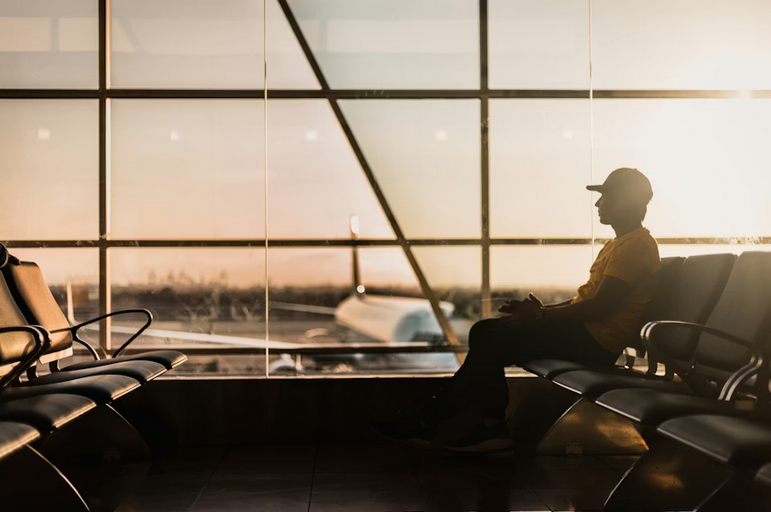
Airports can feel overwhelming, especially during peak travel seasons, when long lines, security procedures, and gate changes add to the stress. Frequent flyers, however, move through terminals with confidence and efficiency because they understand how to prepare, plan, and adapt. Navigating airports like a seasoned traveler is less about luck and more about strategy. From check-in to boarding, small decisions can make a significant difference in time management and overall comfort. Learning how experienced travelers approach airport routines can help reduce anxiety, save time, and create a smoother journey from departure to arrival.
Planning Before You Arrive
Efficient airport navigation begins long before stepping into the terminal. Frequent flyers check in online, download mobile boarding passes, and monitor flight updates in advance. Arriving with documents organized and luggage prepared for security screening prevents unnecessary delays. Understanding baggage policies and weight limits also avoids last-minute repacking at check-in counters. By anticipating potential issues such as traffic delays or long security lines, travelers can build extra time into their schedule. Preparation transforms the airport experience from reactive to proactive, allowing smoother transitions through each stage of departure.
Mastering Security Checkpoints
Security screening is often the most time-consuming part of airport travel. Experienced travelers streamline this process by wearing easily removable shoes, minimizing metal accessories, and packing electronics in accessible compartments. Liquids are organized in accordance with regulations to avoid additional inspections. Frequent flyers also enroll in expedited screening programs when available, which significantly reduces waiting times. Staying attentive to instructions and observing the flow of lines helps travelers choose the quickest route. A calm and organized approach minimizes delays and maintains steady progress through security checkpoints.
Understanding Airport Layouts and Signage
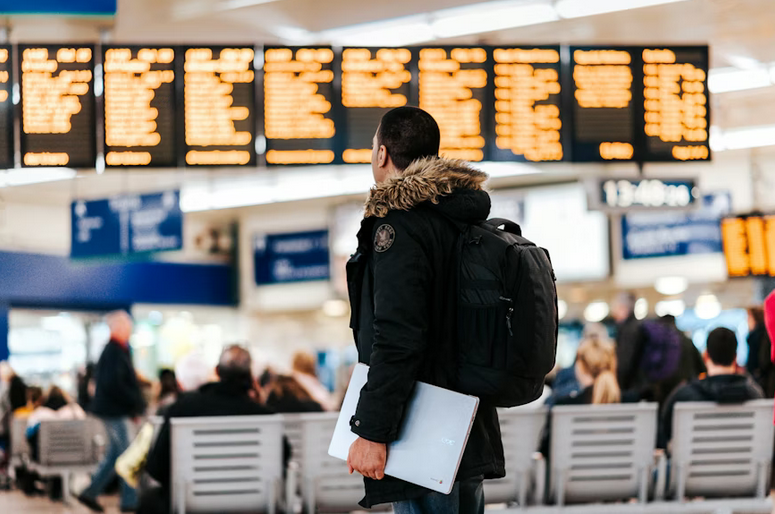
Airports are designed with clear signage, but navigating efficiently requires awareness and observation. Frequent flyers review terminal maps in advance, noting gate locations, restrooms, lounges, and dining areas. Upon arrival, they confirm departure boards for potential gate changes and adjust their route accordingly. Understanding how terminals connect, whether by shuttle trains or walkways, prevents last-minute rushing. Familiarity with airport layouts allows travelers to allocate time wisely, whether grabbing a meal or heading directly to the gate, ensuring punctual boarding without unnecessary stress.
Making the Most of Waiting Time
Experienced travelers view waiting periods as opportunities rather than inconveniences. They identify quiet seating areas, charging stations, and reliable WiFi connections to stay productive or relaxed. Many also take advantage of airport lounges when accessible, which offer comfortable seating and refreshments. Keeping essential items such as headphones, travel documents, and chargers within reach avoids repeated unpacking. By strategically managing waiting time, travelers maintain comfort and focus, turning potential frustration into a manageable part of the journey.
Staying Adaptable and Informed
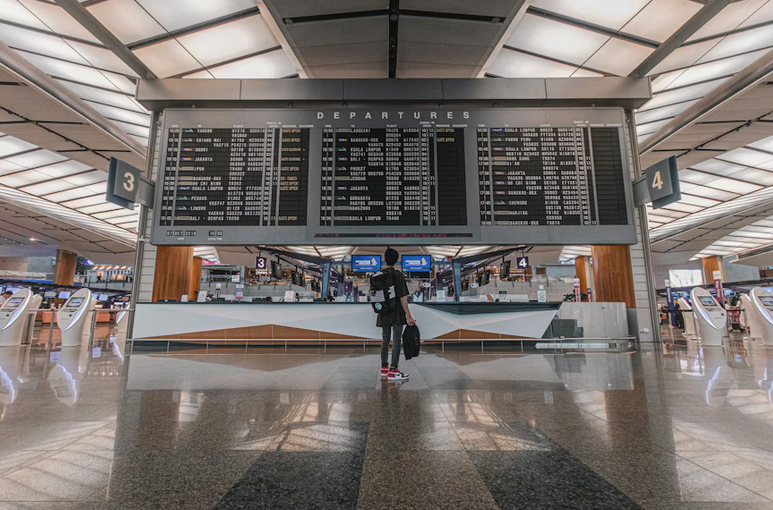
Flight delays, weather disruptions, and gate changes are common realities of air travel. Frequent flyers stay adaptable by enabling airline notifications and monitoring updates in real time. They position themselves near departure areas when boarding approaches and remain attentive to announcements. Flexibility and awareness help prevent missed flights or confusion. Having backup plans, such as knowing customer service desk locations or alternative flight options, further enhances confidence. Adaptability ensures that unexpected challenges are handled efficiently without unnecessary panic.
Navigating airports like a frequent flyer involves preparation, efficiency, awareness, and adaptability. By planning, mastering security procedures, understanding airport layouts, using waiting time productively, and staying informed, travelers can significantly reduce stress and improve their overall experience. With thoughtful strategies and a calm mindset, even busy terminals become manageable environments, allowing each journey to begin smoothly and confidently.…



 Traveling with a group can be a great way to save money on accommodations, transportation, and activities. Additionally, it can provide a fun and social travel experience. Although it may take extra planning, the financial savings can be worth it.
 A quick-dry towel is one essential item that you will want to bring with you when visiting cenotes. This will come in handy when you are getting out of the water since it can be difficult to find a place to hang your wet towel. Many people like to use a microfiber towel for this purpose, as they are lightweight and can quickly dry. This can make your luggage much lighter since you will not have to pack a regular towel. Quick-dry towels come very handily while traveling.
 If you want to get the most out of your visit to cenotes, we recommend bringing a snorkel and mask. This will allow you to explore the underwater world and see all sorts of different fish and coral. Cenotes are known to have some of the clearest water, so you will be able to see a lot while you are snorkeling. If you do not have your own, there are usually places where you can rent gear near the cenotes. However, this can be expensive, so it is cheaper to bring your own if you have it.